
Native Catch Salmon Bacon, Peppered flavor. UPC: 7 51778 15900 0. Peppered Salmon Bacon…
Swinomish Fish Company, Inc recalled this product and the FDA reported the enforcement action on 27 April 2016 as Class II. The recall was initiated by the firm. Peppered flavor of Native Catch Salmon Bacon product is recalled because it has the potential to be contaminated with Clostridium botulinum. The potential for contamination was noted after a routine Washington State Department of Agriculture (WSDA) inspection discovered that the product had potentially been under processed.
The record
Every field below is published by the FDA in the openFDA food enforcement database. Check the FDA notice before acting on any recall: this page is a reading of the public record, not a substitute for it.
- Product
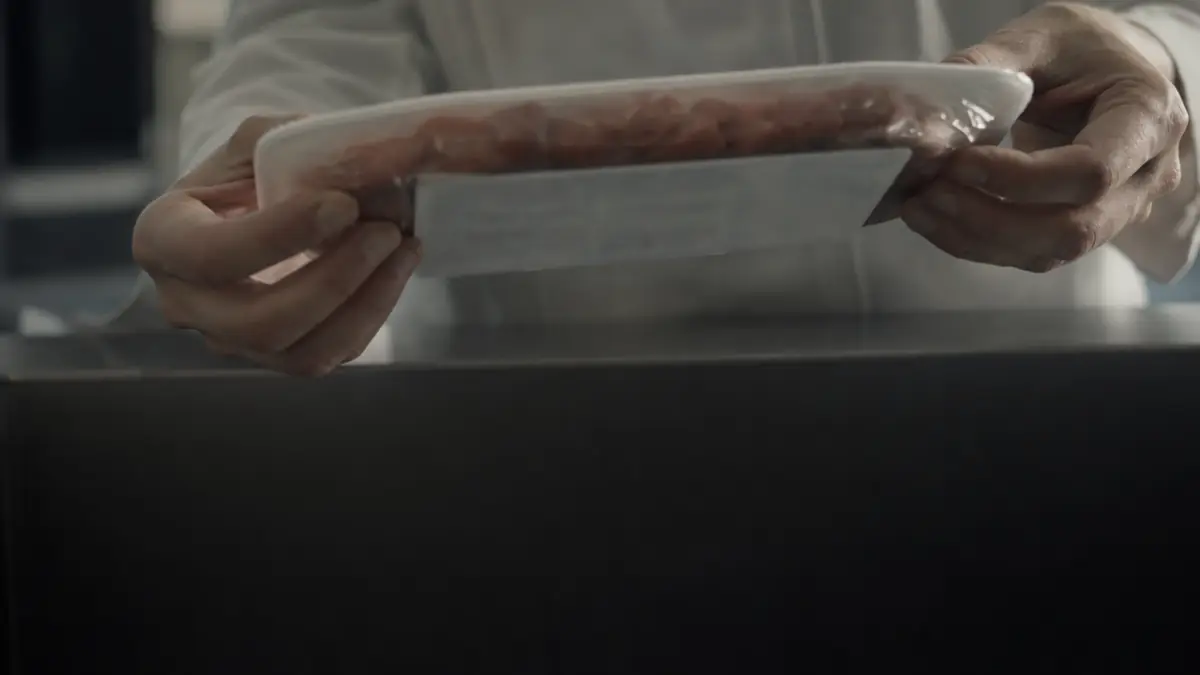
- Native Catch Salmon Bacon, Peppered flavor. UPC: 7 51778 15900 0. Peppered Salmon Bacon is ground and seasoned skinless/boneless salmon, extruded, peppered, smoked, cooled and vacuum packed in 8 oz., 14 oz. and 5 lbs. clear vacuum bags. Label states keep refrigerated or frozen".
- UPC
- 751778159000
- Reason for recall
- Peppered flavor of Native Catch Salmon Bacon product is recalled because it has the potential to be contaminated with Clostridium botulinum. The potential for contamination was noted after a routine Washington State Department of Agriculture (WSDA) inspection discovered that the product had potentially been under processed.
- Recalling firm
- Swinomish Fish Company, Inc
- Firm location
- La Conner, Washington, United States
- Classification
- Class II
- Status
- Terminated
- Recall number
- F-1124-2016
- Quantity
- 67/8 oz. pkgs, 274/14 oz. pkgs, 3/5 lbs. pkgs
- Distribution
- distributed in CA, FL and WA.
- Initiated
- 17 December 2015
- Reported by FDA
- 27 April 2016
- Terminated
- 27 January 2017
- Firm notified by
- Two or more of the following: Email, Fax, Letter, Press Release, Telephone, Visit
- Product codes
- BEST BY codes 1/23/16 and 3/16/16.
Reading this record
Five things about this record are not in the record itself, and each one changes how it should be read.
- Class II means the FDA judged a remote probability of serious harm, or a probability of temporary or medically reversible harm. The class is assigned by an agency health hazard evaluation under 21 CFR 7.41, not by the firm.
- The firm started this recall itself. Most FDA food recalls are voluntary, and a recall is a food safety plan working rather than failing. The circumstances in which the agency asks for one instead are set out in 21 CFR 7.45.
- This is one of 2 records covering the same recall event. The FDA opens one enforcement record per product code, so a recall of a product line appears here many times. Counting these records as 2 separate recalls, which almost every published figure does, overstates it by a factor of 2. Every product code in this event is listed together on the record that covers the whole recall, which is the page a search engine is pointed to for all 2 of them.
- The recall ran for 13 months, from 17 December 2015 to termination on 27 January 2017. Termination means the agency judged that all reasonable effort had been made, under 21 CFR 7.55, and it says nothing about whether product remained in circulation.
- The distribution pattern names 2 states, and the FDA published the enforcement report 4 months after the firm began the recall.
- Recalls of fish or seafood run a median of 5 months, so this one was longer than usual for its category. Fish and fishery products are the one food category with their own HACCP regulation in the United States, 21 CFR part 123, because the hazards are species-specific: histamine in scombroid fish, ciguatera in reef fish, and Listeria in cold-smoked products.
Named in the distribution pattern: Florida, Washington. Those pages count recalls by where the RECALLING FIRM sits, which is a different question from where this product went.
What this recall was for
Clostridium botulinum
Clostridium botulinum recalls are recalls of the process, not of a test result: the organism produces its toxin without oxygen, so a low-acid food in a sealed container that missed its scheduled process is recalled whether or not toxin was ever found.
A preventive controls plan covers a botulism risk under the clauses below. This is where the control belongs, not a finding against any firm named on this page: a recall record states a reason, and most of these recalls were initiated by the firm itself.
- 21 CFR 113
- Thermally processed low-acid foods in hermetically sealed containers: the scheduled process, its establishment by a competent authority, and the records proving every container received it.
- 21 CFR 108.35
- Emergency permit control: the registration and process filing a low-acid canned food processor must hold before it may operate.
Filed under fish and seafood and meat and poultry. A product can sit in more than one.
Other fish and seafood recalls for the same reason
These are the closest records in the corpus: the same kind of food, recalled for a hazard this record also names. Unlike the firm’s own records below, they come from different companies, which is what makes them a pattern rather than a history.
Other records from Swinomish Fish Company, Inc
The FDA opens one enforcement record per product code, so several of these are frequently one recall event.
| Reported | Product | Firm | Reason | Class |
|---|---|---|---|---|
| 2016-04-27 | Native Catch Salmon Bacon, Traditional flavor. UPC 7 83583 27965 9. Traditional Salmon Bacon is ground and seasoned skinless/boneless salmon, extruded, peppered, smoked, cooled and vacuum packed in 8 oz., 14 oz., and 5 lbs. clear vacuum bags. Label states keep refrigerated or frozen". | Swinomish Fish Company, Inc | Traditional flavor of Native Catch Salmon Bacon product is recalled because it has the potential to be contaminated with Clostridium botulinum. The potential for contamination was noted after a routine Washington State Department of Agriculture (WSDA) inspection discovered that the product had potentially been under processed. | Class II |
All 2016 recalls · All FDA food recall data
21 CFR 113 is the clause behind this recall, and it is one somebody has to produce evidence for at their next audit. Krolda maps supplier documents to the clause they satisfy in FSSC 22000, IFS Food and 21 CFR 117, and routes the corrective action when the evidence is missing.
Early accessRecall records come from the openFDA food enforcement API, published by the U.S. Food and Drug Administration in the public domain. Krolda adds the hazard classification and the clause mapping; neither is an FDA determination. Always check the FDA notice before acting on a recall.