Organic Roasted Salted Cashews, Net Weight of 6 oz (170g), UPC 6 16316 76283 1.
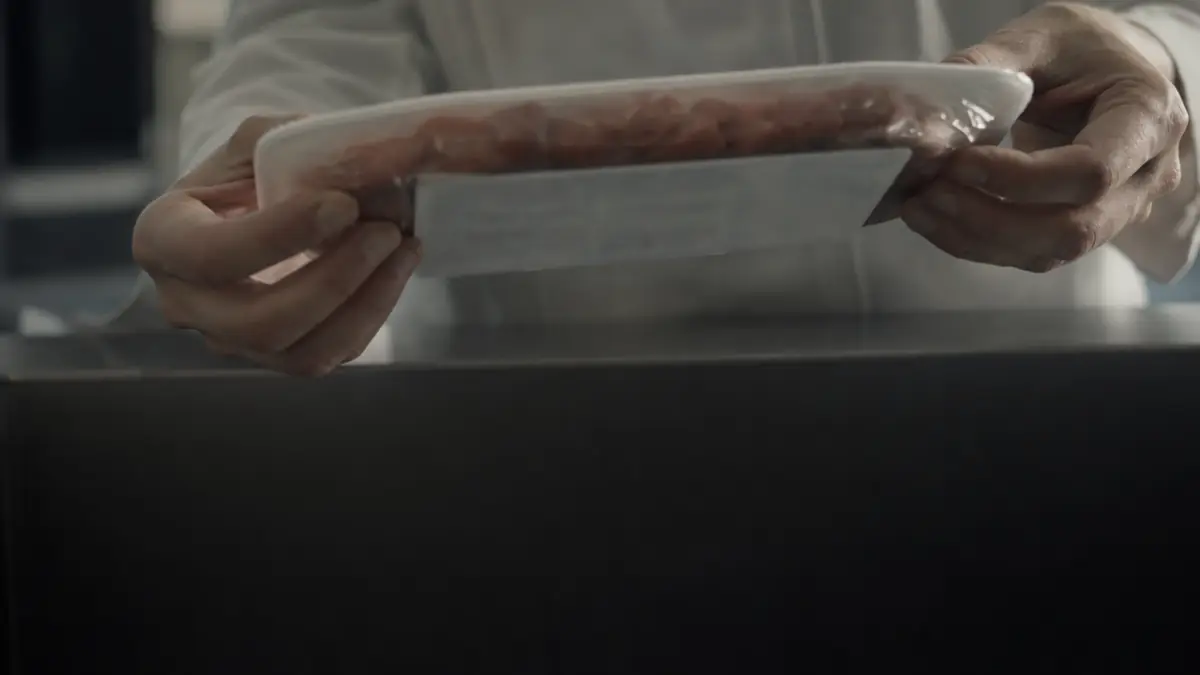
Honey Heaven Wholesale Inc recalled this product and the FDA reported the enforcement action on 23 February 2022 as Class II. The recall was initiated by the firm. Hazelnuts were packaged and mis-labeled as cashews. Hazelnuts are visible through the package.
The record
Every field below is published by the FDA in the openFDA food enforcement database. Check the FDA notice before acting on any recall: this page is a reading of the public record, not a substitute for it.
Product
Organic Roasted Salted Cashews, Net Weight of 6 oz (170g), UPC 6 16316 76283 1. Product is packed in a brown kraft stand-up paper pouch with plastic front viewing window with a zip-lock top that was heat sealed to close. The labeled cashew package has the ingredient statement of "Organic Cashews, Organic Extra Virgin Oil, Real Salt" and Contains statement, "Cashews. Processed on shared equipment that also handles milk, sesame, soy, tree nuts, and wheat." Manufactured by Hummingbird Wholesale, Eugene, OR".
UPC
616316762831
Reason for recall
Hazelnuts were packaged and mis-labeled as cashews. Hazelnuts are visible through the package.
Products were distributed at retail in OR and to consignees in CA and WA.
Initiated
1 February 2022
Reported by FDA
23 February 2022
Terminated
11 May 2022
Firm notified by
Two or more of the following: Email, Fax, Letter, Press Release, Telephone, Visit
Product codes
Best By: 12/13/22 though a sticker affixed to back of package.
Reading this record
Five things about this record are not in the record itself, and each one changes how it should be read.
Class II means the FDA judged a remote probability of serious harm, or a probability of temporary or medically reversible harm. The class is assigned by an agency health hazard evaluation under 21 CFR 7.41, not by the firm.
The firm started this recall itself. Most FDA food recalls are voluntary, and a recall is a food safety plan working rather than failing. The circumstances in which the agency asks for one instead are set out in 21 CFR 7.45.
This record is the only one the FDA opened for its recall event, so it covers a single product code.
The recall ran for 3 months, from 1 February 2022 to termination on 11 May 2022. Termination means the agency judged that all reasonable effort had been made, under 21 CFR 7.55, and it says nothing about whether product remained in circulation.
The distribution pattern names 1 state, and the FDA published the enforcement report 3 weeks after the firm began the recall.
Recalls of milk or a dairy product run a median of 7 months, so this one was shorter than usual for its category. Dairy recalls split between pathogen contamination in products that skipped or under-ran pasteurisation and undeclared milk in products that should never have contained it, which is the same allergen viewed from two directions.
These are the closest records in the corpus: the same kind of food. Unlike the firm’s own records below, they come from different companies, which is what makes them a pattern rather than a history.
Undeclared Soy. The firm received complaints of sausage in the burritos. Upon review the firm discovered the sausage contains soy which is not listed on the label.
Undeclared hazelnut. The Oregon Trail Mix contains visible hazelnut and was mis-labeled as Organic Roasted Salted Cashews, but the label does not declare hazelnut.
Seven inch by three quarter inch metal bar was found in a 25# bag of Organic Chia seed when product was being repacked into 5# bags. Metal bar had a jagged edge, with a metal flake loosely attached. There is a possibility that there may have been additional metal flakes that would not be easily seen by consumers.
Hummingbird Wholesale was notified by their Organic Carob Powder supplier of the voluntary recall of this product due to potential Salmonella contamination.
Behind every recall is a clause somebody has to produce evidence for at their next audit. Krolda maps supplier documents to the clause they satisfy in FSSC 22000, IFS Food and 21 CFR 117, and routes the corrective action when the evidence is missing.
Recall records come from the openFDA food enforcement API, published by the U.S. Food and Drug Administration in the public domain. Krolda adds the hazard classification and the clause mapping; neither is an FDA determination. Always check the FDA notice before acting on a recall.